
As residents of Cheyenne, Wyoming, we often feel insulated from the tumult of national politics and economic fluctuations. However, recent developments on the national stage are beginning to ripple through our local economy, prompting a closer examination of how these broader trends affect us here at home.
Inflation and Consumer Confidence
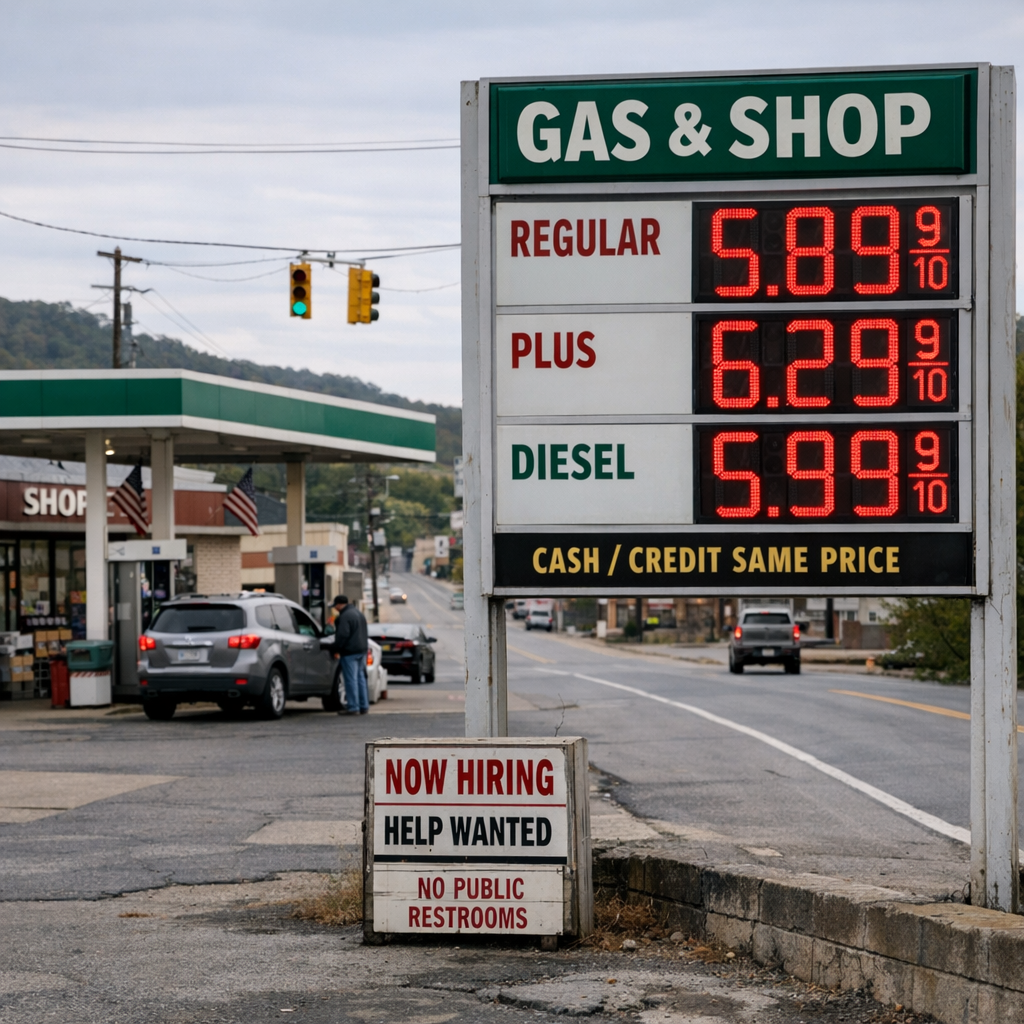
Inflation has surged to 3.8% in April, driven in part by the ongoing conflict in the Middle East, which has pushed gas prices above $4.50 per gallon. This increase has led to a decline in consumer confidence, with many Americans turning to credit to manage rising costs. For the first time in three years, wage growth has fallen behind inflation, diminishing purchasing power.
Political Landscape and Economic Policies
President Trump’s administration is facing significant economic challenges, with a CNN poll showing 70% disapproval of his economic performance. Despite strong GDP growth driven by the AI boom, the American public is increasingly disillusioned. The administration is emphasizing tax cuts, deregulation, and energy independence to stabilize the economy.
Local Implications
For Cheyenne residents, these national trends have tangible effects. Higher fuel prices increase transportation costs, impacting both personal budgets and local businesses reliant on shipping and logistics. The decline in consumer confidence may lead to reduced spending in local stores and services, affecting our community’s economic vitality.
As we navigate these uncertain times, staying informed about national policies and their local impacts is crucial. Engaging with community leaders and participating in local economic initiatives can help mitigate some of these challenges, ensuring that Cheyenne remains resilient in the face of broader economic shifts.